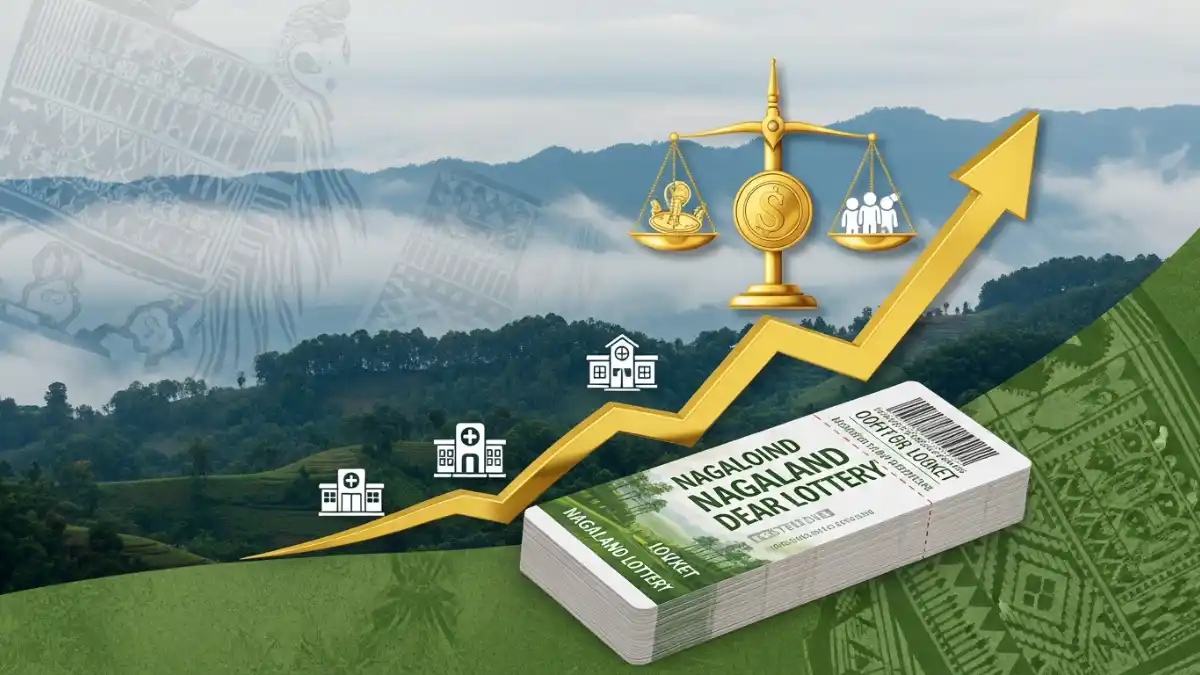
When you hear “Nagaland,” you might think of the beautiful Hornbill Festival, misty hills, and rich tribal culture. But for millions of people across India, the name is synonymous with something else entirely: The Nagaland State Lottery.
Every day, countless hopefuls buy a small paper ticket costing just ₹6, dreaming of the ₹1 Crore jackpot. But have you ever wondered how this started? Is it legal? And where does all that money actually go?
Let’s dive into the fascinating history and significance of the Nagaland State Lottery. 🏛️🇮🇳
📜 When Did It Start? (The Origin Story)
The story begins in 1972.
While lotteries have existed in various forms for centuries, the Directorate of Nagaland State Lotteries was officially established in 1972 under the supervision of the State Finance Department.
- The Goal: The primary objective wasn’t just entertainment. The state government needed a dependable source of non-tax revenue to fund development projects in the hilly, resource-constrained state.
- The Evolution: It started with simple monthly draws. Over the decades, it evolved into the sophisticated, high-tech system we see today, with daily draws that are household names in states like West Bengal and Maharashtra.
⚖️ Is It Legal? (Government Backing)
Yes, absolutely. In a country where gambling is largely prohibited, the Nagaland State Lottery stands tall as a 100% legal, government-backed entity.
It operates under the strict guidelines of:
- The Lotteries (Regulation) Act, 1998: A central government act that allows state governments to run lotteries.
- Nagaland State Lottery Rules: Specific state-level rules ensuring transparency.
Currently, Nagaland is one of only 13 Indian states (including Kerala, Sikkim, and West Bengal) where government lotteries are legal. This government seal of approval is why millions trust the system—they know the draw is fair and the prize money is guaranteed. ✅
💰 Where Does the Money Go? (Significance)
This is the most important part. The lottery isn’t just about making one person rich; it helps build the state.
The revenue generated from ticket sales is a crucial part of Nagaland’s annual budget. Since the state has limited industrial sources of income, lottery revenue acts as a financial backbone.
The funds are used for:
- 🏥 Healthcare: Building hospitals and clinics.
- 📚 Education: Funding schools and scholarships.
- roads Infrastructure: Developing roads in difficult terrain.
- 🤝 Public Welfare: Supporting social schemes for the underprivileged.
So, in a way, every ticket purchased contributes a tiny fraction toward the development of Nagaland.
🎟️ The Rise of the ‘Dear Lottery’ Brand
If you buy a ticket today, you’ll likely see the word “DEAR” printed in bold.
The ‘Dear’ brand revolutionized the Indian lottery market. Managed by private distributors (like Future Gaming) appointed by the government, the ‘Dear Lottery’ became famous for three reasons:
- Affordability: The ticket price has remained ₹6 for years, making it accessible to the common man.
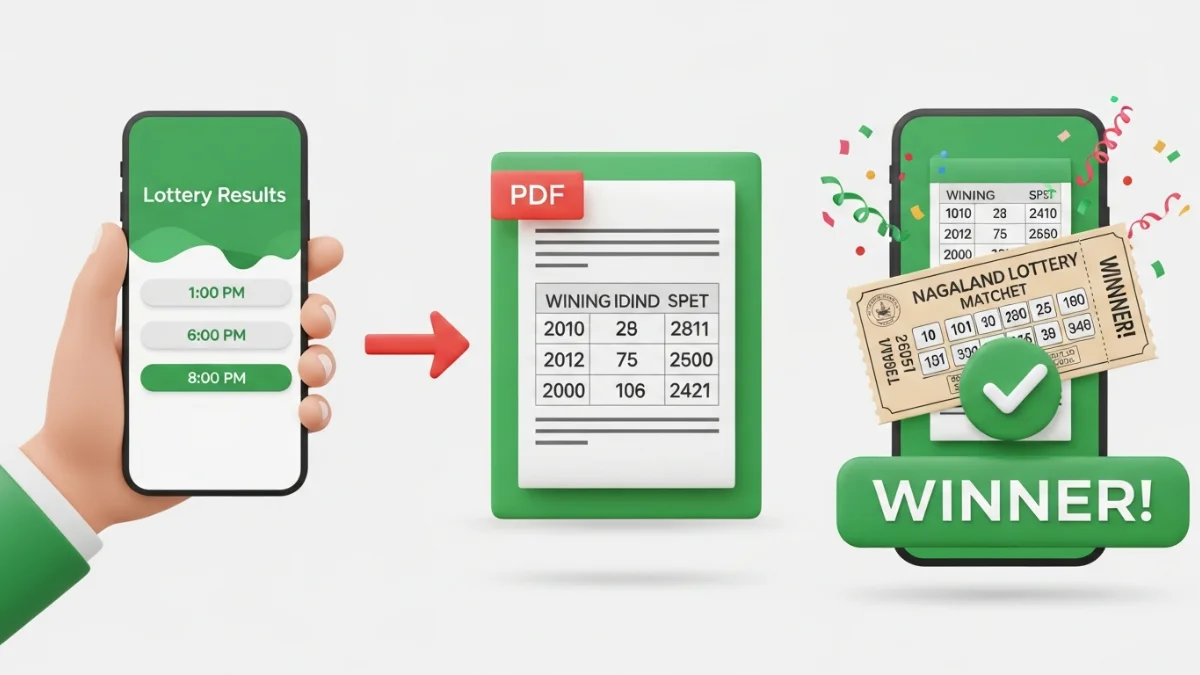
- Frequency: With draws at 1 PM, 6 PM, and 8 PM, players don’t have to wait weeks for a result.
- Transparency: Nagaland was one of the first to introduce Live Streaming of draws on YouTube, silencing doubts about rigging.
🤯 Interesting Facts You Didn’t Know
- Employment Generator: The lottery ecosystem provides jobs to lakhs of people—from the stockists and sub-stockists to the small retailer selling tickets under an umbrella.
- Massive Reach: While it originates in Kohima (Nagaland), the biggest market for these tickets is actually West Bengal, where it is a daily ritual for many.
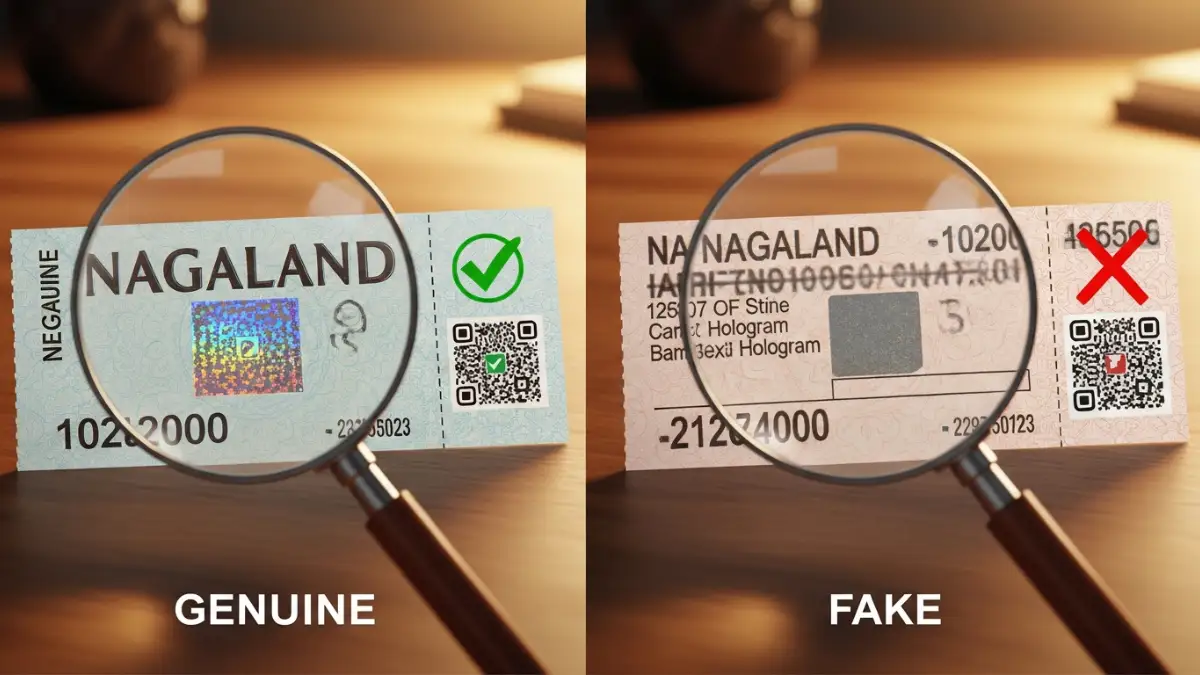
- Printing Security: The tickets are printed in high-security presses (similar to bank notes) with microscopic features to prevent forgery. 🔍
Conclusion
The Nagaland State Lottery is a unique blend of economics and hope. For the player, it is a chance to change their destiny overnight. For the state, it is a vital economic tool that turns small contributions into public progress.
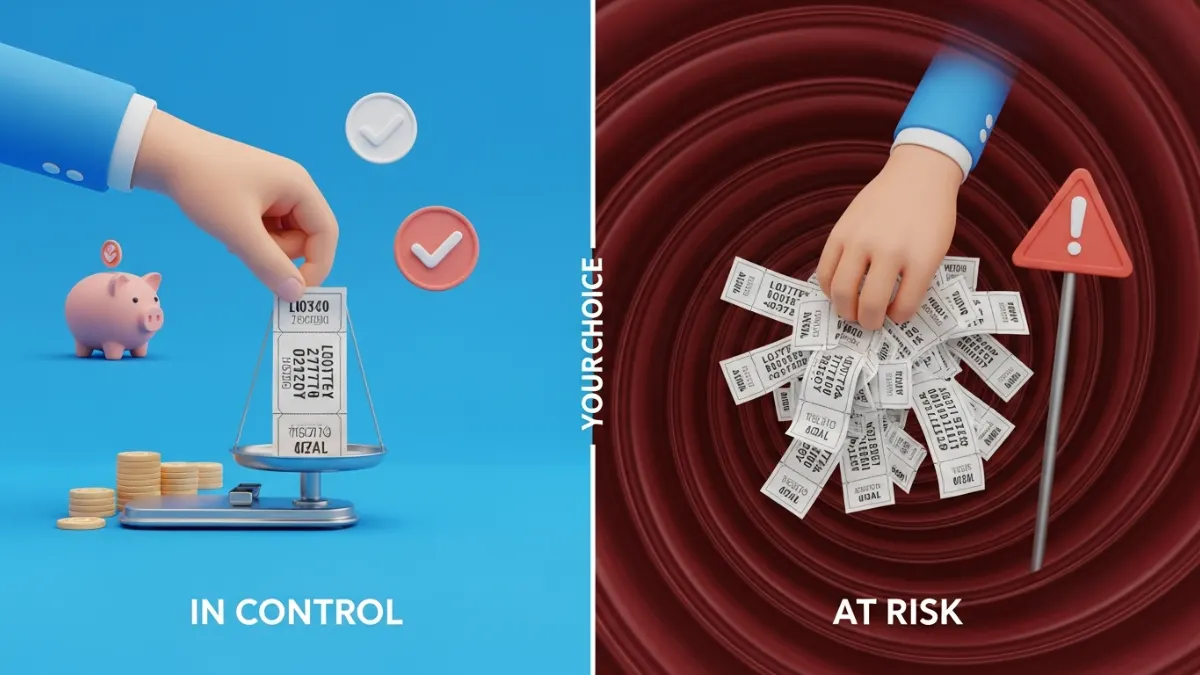
As long as it is played responsibly, it remains a fascinating chapter in India’s financial and cultural history. 🏔️💸